
Intellectual Property Books
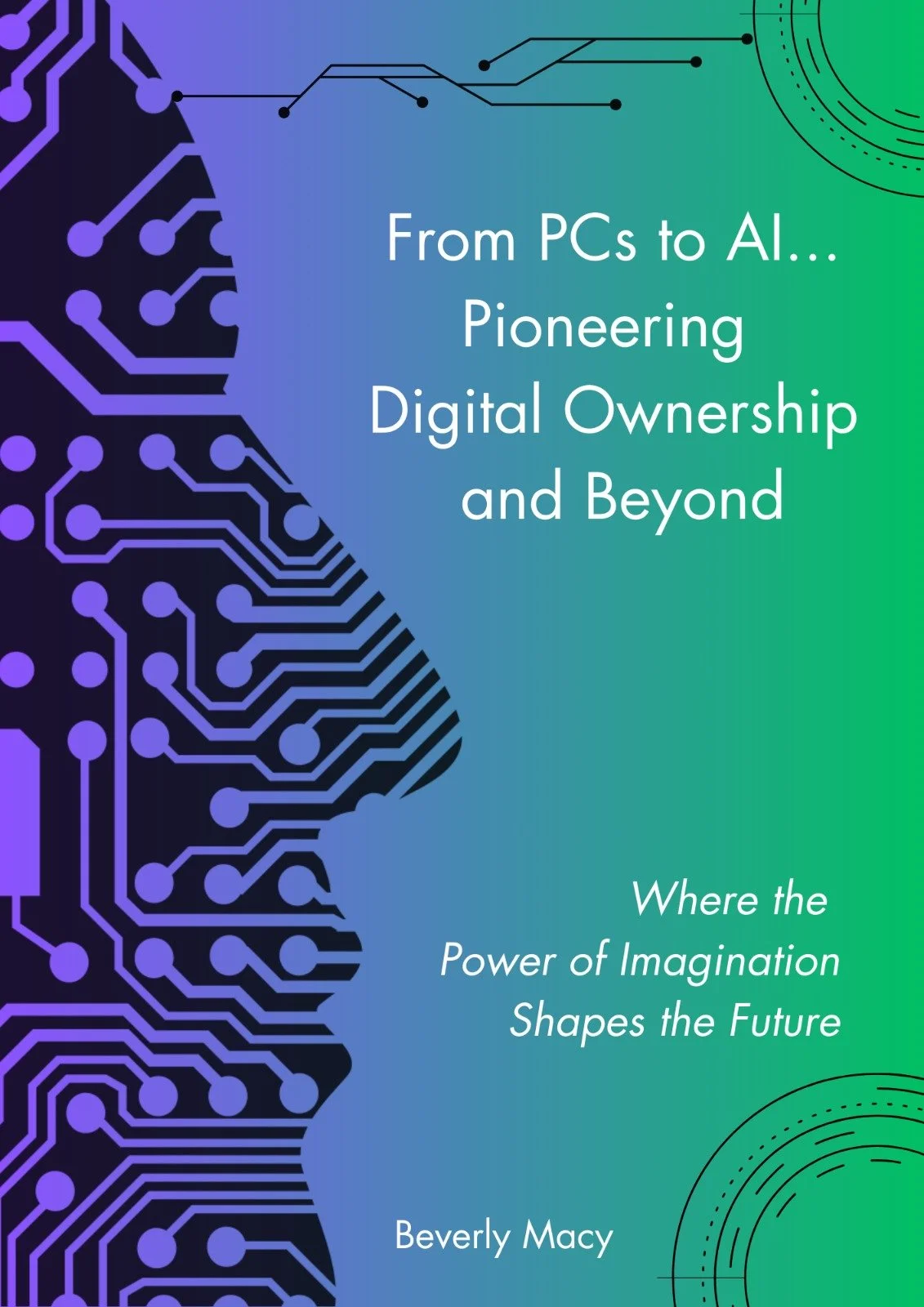
Chapter 6: Artificial Intelligence, Intellectual Property, & NFTs
In this chapter, Natalia Aranovich explores the intersection of traditional Intellectual Property frameworks and Generative AI tools like ChatGPT and Midjourney. The author emphasizes the "human authorship" requirement within the U.S. legal system, analyzing pivotal cases and guidance from the USCO and USPTO to explain why machine-generated works currently lack protection. The text delves into the criteria for copyrightability, specifically the level of human interaction, selection and arrangement, needed to create protectable work. Additionally, it addresses the legal controversies surrounding AI training data, fair use, and the rise of deepfakes. In a forward-looking conclusion, Natalia proposes using NFTs and blockchain technology as a strategic solution for digital authenticity, providing the transparency and traceability necessary for creators to safely monetize and license their work in the Web 3.0 ecosystem.

Understanding Intellectual Property in NFTs
Written as an essential primer for the Web 3.0 era, this chapter by Natalia Aranovich, Esq., demystifies the complex relationship between Non-Fungible Tokens and Intellectual Property law. Specifically designed for a non-legal audience, the text defines the technical mechanisms behind NFTs and clarifies what is legally transferred during a digital transaction. By bridging the gap between emerging technology and established legal principles, the author highlights the critical role of smart contracts and underlying IP rights. This contribution empowers creators and investors to navigate the legal implications of minting and trading digital assets, emphasizing that a clear understanding of intellectual property is a strategic advantage in the evolving world of decentralized creativity.
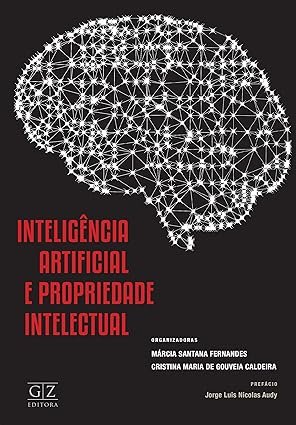
Artificial Intelligence, Digital Images, Copyrights and NFTs: A Case Analysis
In this analytical paper, Natalia de Campos Aranovich examines the landmark 2022 U.S. Copyright Office decision regarding "A Recent Entrance in Paradise," a digital image created by an algorithm. The study dissects the legal reasoning behind the denial of copyright protection, highlighting the judiciary’s strict distinction between human-authored works and automated processes. By exploring the specific arguments of this case, the author identifies the legal precedents and principles that will likely shape future litigation involving AI-generated images and NFTs. This work serves as a vital resource for understanding the limits of IP protection for algorithmic creations and provides a strategic look at the necessity of human creativity for legal eligibility in the age of generative technology.